
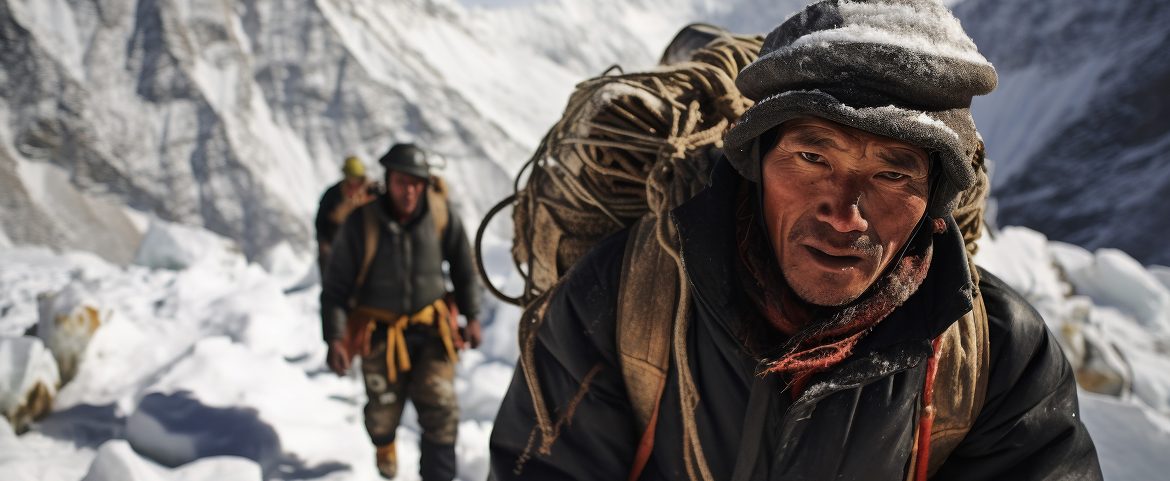
Travellers exploring the Himalayas often encounter a familiar question: who are Sherpas?
The term has become closely associated with mountain guiding and high-altitude expeditions. Yet Sherpas are not simply guides or porters. They are an indigenous Himalayan community whose culture, knowledge, and resilience have shaped travel in the world’s highest mountains for generations. While some Sherpas work as guides, climbers, and trekking professionals, “Sherpa” refers first to an ethnic group with its own cultural identity and history in the Himalayas.
Originating from the eastern Tibetan plateau centuries ago, Sherpas eventually settled in the Khumbu region of Nepal, near Mount Everest. Over time, they developed remarkable familiarity with mountain environments, weather patterns, trade routes, and high-altitude living. Their knowledge was not built for tourism, but for life itself. It emerged from generations of living in steep valleys, thin air, and sacred peaks, where survival depended on an intimate understanding of the land.
Today, understanding who the Sherpas are reveals the human story behind Himalayan exploration. Their expertise remains one of the most important elements in making travel across these remote landscapes not only possible, but far more meaningful. For travellers seeking a deeper and more considered way to experience the Himalayas, this local knowledge often becomes one of the most valuable aspects of the journey.
Sherpas are widely understood to have ancestral ties to Tibetan populations that settled in the Himalayan regions of present-day Nepal several centuries ago. The name “Sherpa” itself comes from the Tibetan words shar, meaning “east,” and pa, meaning “people”, a reference to their eastern origins.
These early settlers established villages in high mountain valleys, particularly in Nepal’s Khumbu region, where farming, trade, and pastoral life shaped daily routines. Their homes were built in landscapes defined by altitude, seasonal extremes, and a constant relationship with the mountain environment. Over generations, the Sherpa community developed its own identity while maintaining strong cultural and spiritual links to Tibetan Buddhism.
To understand who the Sherpas are, it helps to look beyond the mountaineering image that often dominates popular perception. Buddhist beliefs and practices deeply influence Sherpa culture. Monasteries, mani stones, prayer flags, chortens, and seasonal festivals remain central to community life. Mountains are not viewed merely as terrain to be crossed or conquered, but as sacred presences woven into spiritual and communal identity.
This is one of the reasons Sherpa culture in Nepal deserves attention in its own right. The Khumbu region is not simply a gateway to Everest. It is a living cultural landscape shaped by faith, memory, and long-standing traditions of hospitality and endurance. Travellers who spend time in Sherpa villages, visit monasteries, or hear local perspectives on sacred mountains often come away with a more layered understanding of the Himalayas themselves.
For those who are drawn to culturally immersive journeys across Asia, there is a useful parallel here with the way luxury Silk Road tours reveal not only historic routes but also the communities, beliefs, and exchanges that gave those routes meaning. In both cases, the landscape becomes far richer when understood through the lens of the people who have lived within it for centuries.
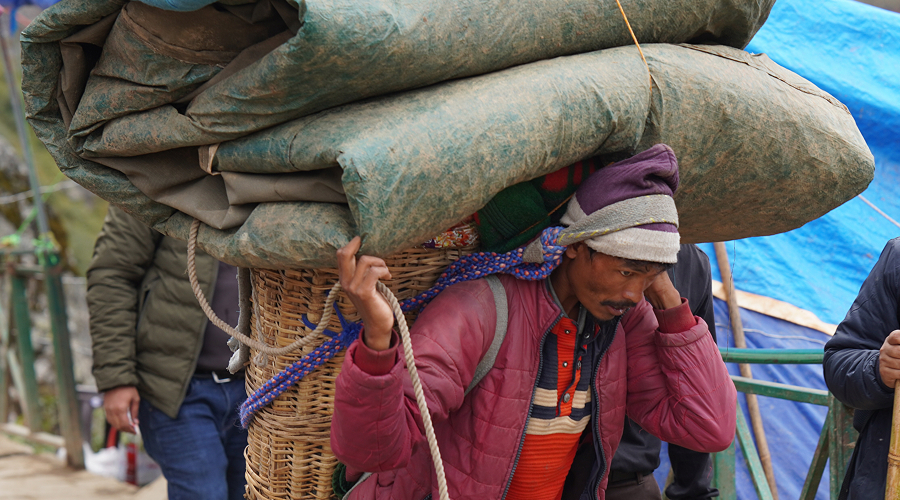
Sherpas became globally recognised during the early expeditions to Mount Everest in the twentieth century, but their relationship with the mountains long predates the arrival of foreign climbers.
When mountaineers began attempting Himalayan peaks on a larger scale, they quickly realised that local expertise was indispensable. Sherpas possessed not only physical endurance but also a practical understanding of snow conditions, route-finding, acclimatisation, and the unpredictable nature of mountain weather. In environments where small misjudgements can have serious consequences, this knowledge proved essential.
Perhaps the most famous moment in this history came in 1953, when Sherpa climber Tenzing Norgay and New Zealand mountaineer Edmund Hillary successfully reached the summit of Mount Everest. Their ascent became one of the defining milestones in the history of Himalayan exploration, bringing international recognition to the role Sherpas had already been playing for decades.
Yet even that iconic achievement only captures part of the story. Sherpas have contributed to the mapping, guiding, logistics, and safety of countless expeditions across the Himalayas. They have fixed ropes, navigated icefalls, carried supplies across dangerous terrain, and made difficult judgement calls in conditions where experience matters enormously. Many of the world’s best-known climbing achievements in Nepal would not have been possible without Sherpa knowledge, labour, and leadership.
This is why the question of who the Sherpas are should never be answered simply by saying they are mountain guides. Some are indeed highly skilled Sherpa mountain guides, but the term “Sherpa” refers first to an ethnic community, not a profession. Not every Sherpa is a guide, and reducing the identity to a job title overlooks the depth of history, culture, and community behind it.
At the same time, Sherpas remain central to the modern experience of Himalayan travel. Whether supporting ambitious trekkers, mountaineers, or travellers exploring high-altitude valleys at a gentler pace, their role continues to shape how people move through these landscapes today.
Many Sherpas grow up in villages located above 3,500 metres, where daily life naturally involves steep climbs, cold temperatures, and thin air. Over generations, this has fostered a familiarity with altitude that few visitors can easily replicate.
Their expertise is built through growing up in mountain communities, repeated exposure to local conditions, and professional guiding experience. To understand the Sherpas in the context of Himalayan travel, it is equally important to recognise the depth of practical mountain knowledge they bring.
Sherpas often have an intimate understanding of the conditions that define life at altitude: how weather can shift in a matter of hours, how snowpack changes with temperature, which routes are safest in a given season, and when it is wise to push forward or turn back. They know how to pace movement in thin air, how to read signs of fatigue, and how to adjust plans when conditions become uncertain.
For travellers, this learned expertise can transform the experience of the Himalayas. A mountain landscape that appears serene from afar can be physically demanding and logistically complex on the ground. Even non-technical journeys require careful pacing, acclimatisation, and a realistic understanding of terrain. Experienced Sherpa guides help make that navigation smoother, safer, and more intuitive.
In a luxury travel context, this matters not because travellers are looking for danger, but because they are seeking access to extraordinary places without losing the reassurance of knowledgeable support. A well-designed Himalayan itinerary should never feel rushed or precarious. It should feel calm, intelligently paced, and deeply considered. Local guidance plays a central role in making that possible.
This is also where the value of a specialist tour agency in Singapore becomes clearer. For long-haul Himalayan journeys, planning is more than just about choosing a destination. It involves altitude considerations, transport logistics, the balance between comfort and authenticity, and how to engage meaningfully with a place that is both remote and culturally distinct. Working with travel designers who understand how to pair refined planning with trusted local expertise can make the difference between simply visiting the Himalayas and experiencing them well.
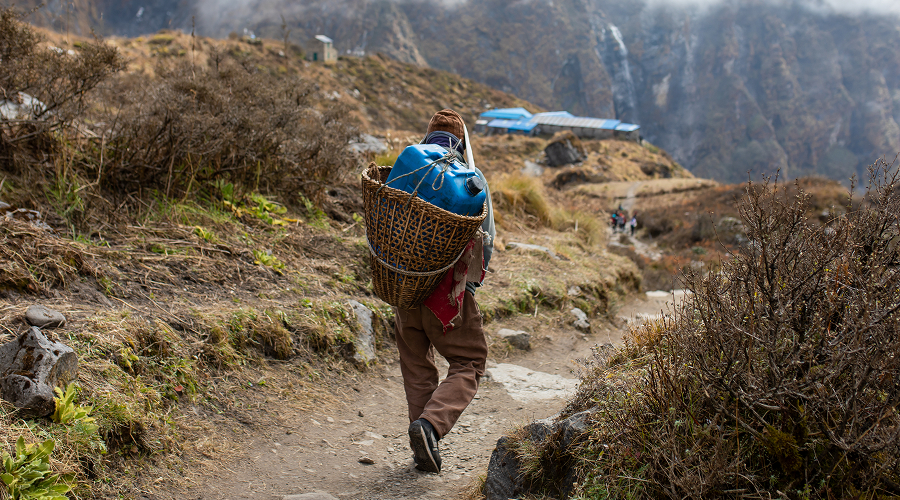
Although Sherpas are often associated with expeditions and trekking routes, their contribution to Himalayan travel extends far beyond logistics and physical support. They also serve as cultural interpreters, storytellers, and hosts who help travellers understand the region on a more human level.
Encounters with monasteries, village life, prayer rituals, local festivals, and the everyday rhythms of Himalayan communities enrich many journeys through Nepal’s mountain regions. These are not experiences that can be fully understood through scenery alone. They become far more meaningful when shared through the perspective of someone who knows the traditions, beliefs, and stories behind them.
This is where understanding the Sherpa culture becomes especially important. Sherpa guides and local hosts may explain the significance of prayer flags fluttering across a mountain pass, the role of a monastery in village life, or the spiritual reverence attached to peaks that outsiders often approach as purely physical challenges. They may introduce travellers to homes, teahouses, and community spaces that reveal how life is lived at altitude beyond the lens of adventure tourism.
Such encounters change the texture of a journey. A mountain trail becomes more than a route from one viewpoint to another. A village stop becomes more than a pause for tea. The landscape begins to feel inhabited not just by geography, but by memory, belief, and continuity.
For travellers who have already experienced or are considering luxury tours in Tibet, this cultural dimension may feel especially resonant. Across both Tibet and Nepal, the mountains are inseparable from spiritual life, monastic traditions, and communities whose identities have been shaped by altitude and faith. Sherpa insight helps illuminate those connections in ways that are difficult to access through surface-level sightseeing alone.
In this sense, the Sherpas are not only mountain professionals but also custodians of cultural context. Their presence reminds travellers that the Himalayas are not empty wilderness. They are lived-in, storied, and deeply sacred landscapes.
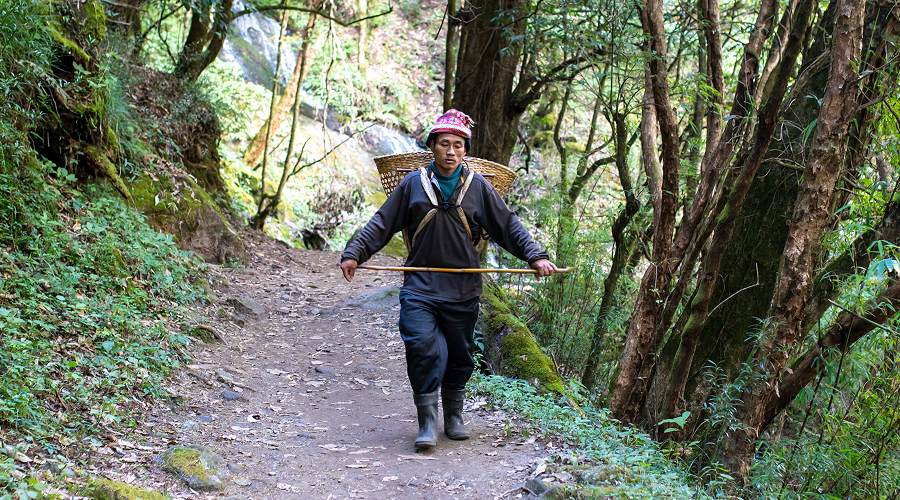
Intriq Journey approaches Himalayan travel with a strong emphasis on local expertise, careful pacing, and comfort. Rather than treating Nepal as a one-size-fits-all trekking destination, its itineraries are shaped around different travel styles and activity levels. Travellers who want to experience the Everest region, for example, can combine guided walks in the lower foothills with a helicopter flight over Everest Base Camp, while staying in comfortable lodges and exploring cultural highlights in Kathmandu and Bhaktapur. Elsewhere in Nepal, journeys such as Mustang can pair Himalayan scenery with guided visits to villages, monasteries, and Bon Buddhist sites, with hikes tailored to different levels of difficulty.
For travellers curious about Sherpas and how local expertise shapes Himalayan travel, this creates a more rewarding way to experience the region: one that balances mountain landscapes with cultural context, specialist guidance, and a pace designed around the journey itself.
Contact us to begin planning a luxury Himalayan journey shaped by the insights of those familiar with the mountains.