
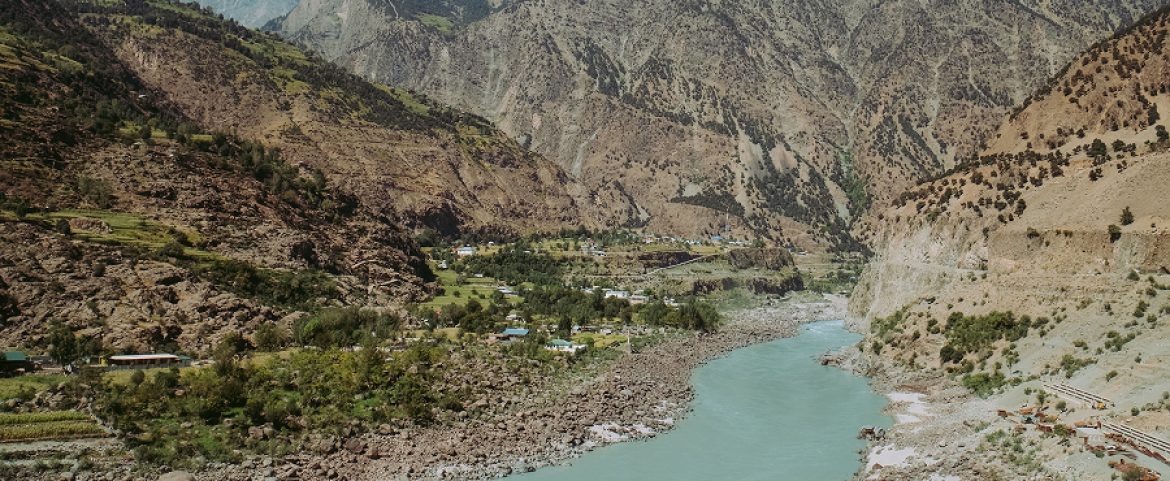
When many travellers picture Tibet, they imagine vast open plains, distant snow-capped mountains, and high-altitude landscapes stretching endlessly beneath an enormous sky.
Yet beneath this dramatic scenery lies another defining feature of the plateau: its river systems.
The rivers of Tibet have quietly shaped the region for thousands of years. Flowing through valleys carved into the Himalayan Plateau, they create corridors of life, movement, and settlement across one of the world’s highest inhabited regions.
These waterways do far more than transport water. They influence where communities can thrive, where crops can be cultivated, and where roads and pilgrimage routes naturally develop. For travellers crossing Tibet today, many of the landscapes encountered along the journey are inseparable from the valleys formed by these rivers.
Understanding Tibet through its river valleys reveals a richer and more nuanced view of the plateau, where geography and human history remain deeply connected.
Although Tibet is often associated with towering mountains and remote wilderness, river valleys play an equally important role in defining the region.
Many of the plateau’s most significant settlements are located along rivers. Compared to the surrounding high-altitude terrain, valley floors typically offer slightly milder conditions, more reliable access to water, and land suitable for cultivation.
Over centuries, these advantages encouraged communities to establish villages, monasteries, and trading centres along the rivers. As a result, some of Tibet’s most culturally significant locations are found within these valleys.
For travellers, the experience of moving through the Tibet river valleys often reveals an ever-changing landscape. Broad agricultural plains may suddenly give way to steep gorges, while rivers wind through mountain ranges that appear almost untouched by time.
These transitions create some of the most memorable scenery encountered across the plateau.
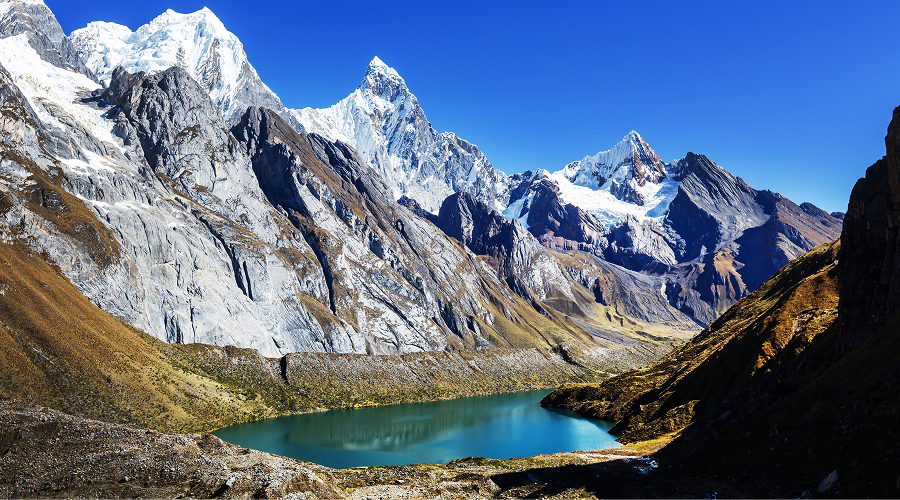
Among all the rivers of Tibet, none carries greater historical significance than the Yarlung Tsangpo River.
Originating on the Tibetan Plateau and eventually becoming the Brahmaputra River further downstream, the Yarlung Tsangpo traverses southern Tibet through a valley long regarded as the cradle of Tibetan civilisation.
The Yarlung region is closely associated with Tibet’s earliest kings and the foundations of Tibetan statehood. Many historians consider this valley one of the most important cultural landscapes in Tibetan history.
Today, travellers journeying through the area encounter wide-open plains framed by distant mountain ranges. Fields of barley and rapeseed add colour to the landscape, while traditional villages and historic religious sites reflect centuries of continuous habitation.
Several important monasteries and cultural landmarks are also located within the valley, providing valuable insight into the origins of Tibetan Buddhism and the development of Tibetan society.
The significance of the Yarlung Tsangpo River extends far beyond its physical presence. It remains a powerful symbol of the historical and cultural forces that shaped Tibet itself.
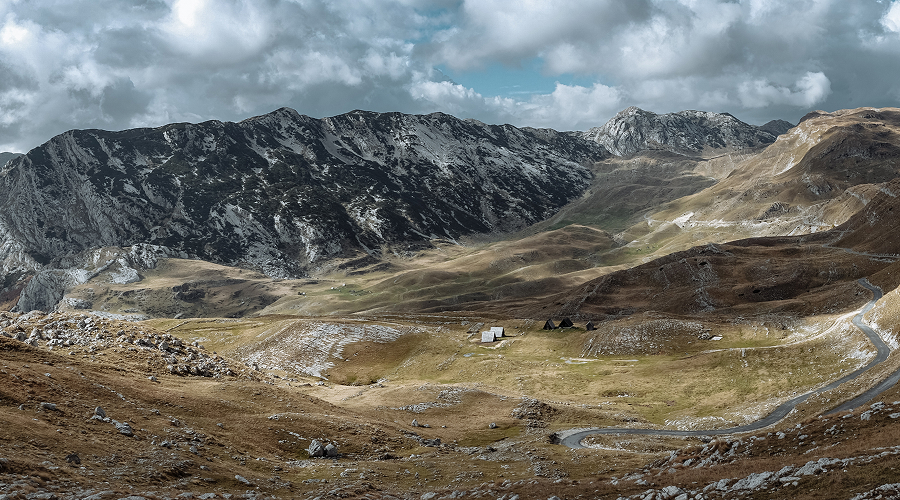
Throughout history, Tibet’s river valleys have served as natural pathways through otherwise challenging terrain.
Long before modern roads existed, traders, pilgrims, and travellers often followed river systems as they crossed the plateau. Valleys provided more navigable routes through mountainous regions, connecting Tibet with neighbouring areas including Nepal, Bhutan, India, and Central Asia.
Many of these historical corridors remain important today.
Routes leading toward western Tibet and Mount Kailash frequently follow river valleys that weave through remote landscapes before ascending toward high mountain passes. These journeys reveal how closely movement across the plateau has always been tied to geography.
For modern travellers, these routes offer far more than practical access. They provide opportunities to experience landscapes where cultural exchange, pilgrimage traditions, and trade networks once converged.
The valleys themselves become part of the story, illustrating how the Himalayan Plateau rivers have influenced both travel and civilisation for generations.
One of the most surprising aspects of Tibet’s river valleys is the contrast they create within an otherwise harsh environment.
At elevations where conditions can be challenging, rivers bring life and fertility to the landscape. Meltwater flowing from surrounding mountains nourishes fields that have sustained communities for centuries.
Barley remains one of the most important crops grown throughout Tibet, alongside wheat and other hardy grains adapted to high-altitude conditions. Villages often cluster along riverbanks where access to water supports both agriculture and daily life.
For travellers, these fertile areas frequently create some of the journey’s most memorable visual moments.
After traversing long stretches of rugged terrain, a valley may suddenly emerge below, revealing green fields, grazing yaks, and clusters of whitewashed homes beneath towering peaks.
These scenes demonstrate why the rivers of Tibet have been so essential to settlement and survival across the plateau.
The beauty of Tibet’s river valleys is not simply a result of what the rivers sustain today. It is also a consequence of the immense geological forces that have shaped the landscape over millions of years.
As rivers cut through mountain ranges and plateaus, they gradually carve valleys, canyons, and gorges that transform the surrounding terrain.
One of the most remarkable examples is the Yarlung Tsangpo Grand Canyon. Often cited as one of the deepest canyons on Earth, it demonstrates the extraordinary power of water acting over geological timescales.
Elsewhere across Tibet, rivers continue to shape broad floodplains, winding valleys, and dramatic rock formations. These landscapes highlight the dynamic relationship between water, mountains, and time.
For travellers interested in understanding the physical geography of the Himalayas, exploring the rivers of Tibet offers a fascinating perspective on how some of Asia’s most spectacular landscapes came into existence.
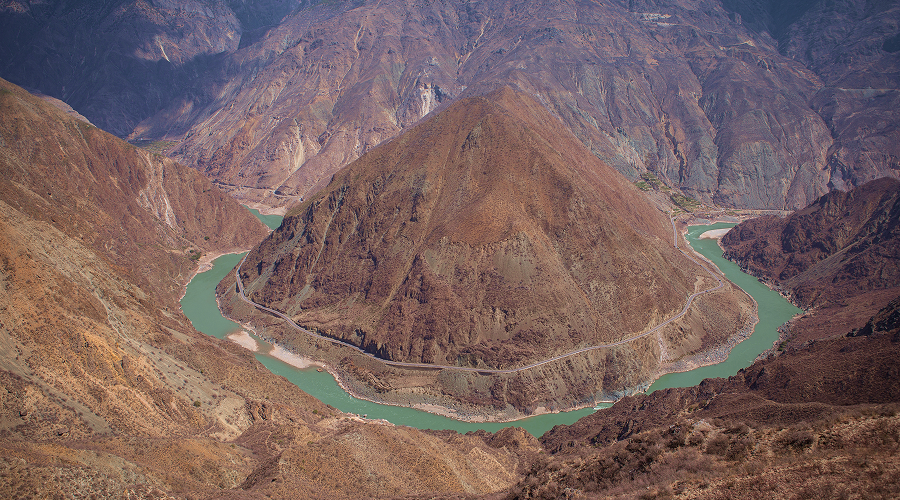
Many first-time visitors arrive in Tibet expecting only mountain scenery. While the Himalayas undoubtedly dominate the skyline, it is often the valleys that provide the most intimate encounters with daily life.
Travelling through river corridors allows visitors to experience traditional villages, agricultural communities, historic monasteries, and sacred sites that have developed alongside these waterways for centuries.
These journeys also reveal the remarkable diversity of the Tibetan landscape. Wide plains, fertile farmland, dramatic gorges, and remote mountain scenery can all be encountered within a single itinerary.
For travellers seeking a deeper understanding of the region, the river valleys provide context that complements Tibet’s spiritual and cultural landmarks.
Much like travellers who explore ancient civilisations through carefully curated luxury tours, those journeying through Tibet’s valleys gain a richer appreciation of how geography influences culture, belief systems, and everyday life.
Travelling through Tibet’s river valleys is about far more than moving between scenic viewpoints. The distances are vast, elevations change throughout the journey, and many of the region’s most rewarding cultural experiences are found beyond the main tourist routes.
Luxury travel enhances the experience through thoughtful planning and pacing. Rather than rushing between destinations, travellers have time to acclimatise, absorb the changing landscapes, and appreciate the historical and cultural significance of each region. This is particularly valuable when exploring the waterways of Tibet, where valleys often reveal layers of history that are not immediately visible to the casual observer.
At Intriq Journey, our itineraries are designed to connect travellers with the stories behind the scenery. Expert local guides provide insight into how waterways such as the Yarlung Tsangpo River shaped settlement patterns, agricultural communities, trade routes, and religious centres across the plateau. What might appear to be a beautiful valley becomes a deeper exploration of Tibetan civilisation itself.
As a specialist tour agency in Singapore for luxury cultural travel, Intriq Journey also places strong emphasis on seamless logistics and personalised service. From carefully paced routing and accommodation selection to expert on-the-ground coordination, every element is designed to help travellers experience Tibet’s remarkable landscapes with greater comfort, understanding, and ease.
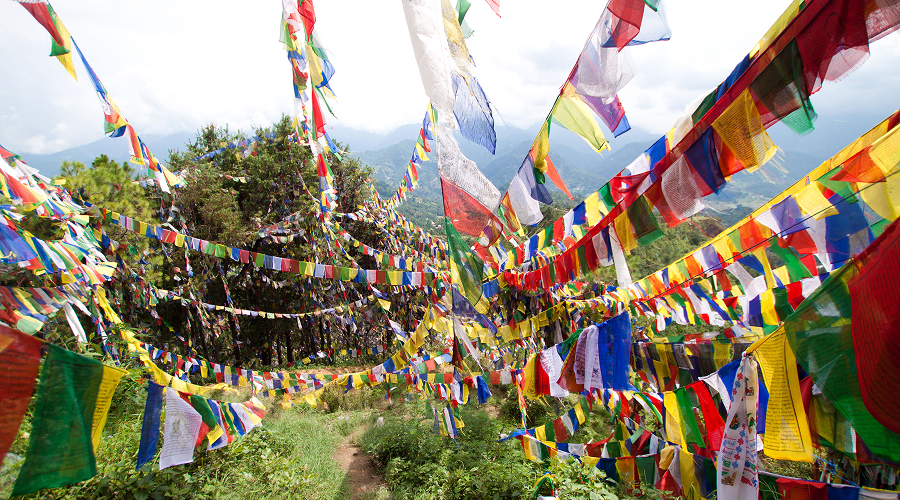
The rivers of Tibet do more than shape the landscape. They reveal the foundations of Tibetan civilisation, sustain communities across the plateau, and connect some of the region’s most significant historical, cultural, and spiritual sites.
Whether flowing through fertile valleys, remote high-altitude plains, or dramatic Himalayan gorges, these waterways offer a unique perspective on Tibet that extends beyond its famous mountains and monasteries. Following their paths allows travellers to better understand the relationship between geography, culture, and daily life on the plateau.
For travellers seeking to explore Tibet through its landscapes and stories, the river valleys offer some of the most rewarding journeys in the region.
Contact us to begin planning your luxury journey to Tibet’s rivers and waterways.