For travellers departing Singapore’s tropical coastline, Tibet can feel almost mythical.
The humid sea air gives way to mountain winds. Dense urban skylines are replaced by vast valleys carved between snow-capped peaks. The familiar rhythm of city life gradually dissolves into something slower, quieter, and infinitely older.
Few places on Earth evoke the same sense of scale as the Tibetan Plateau.
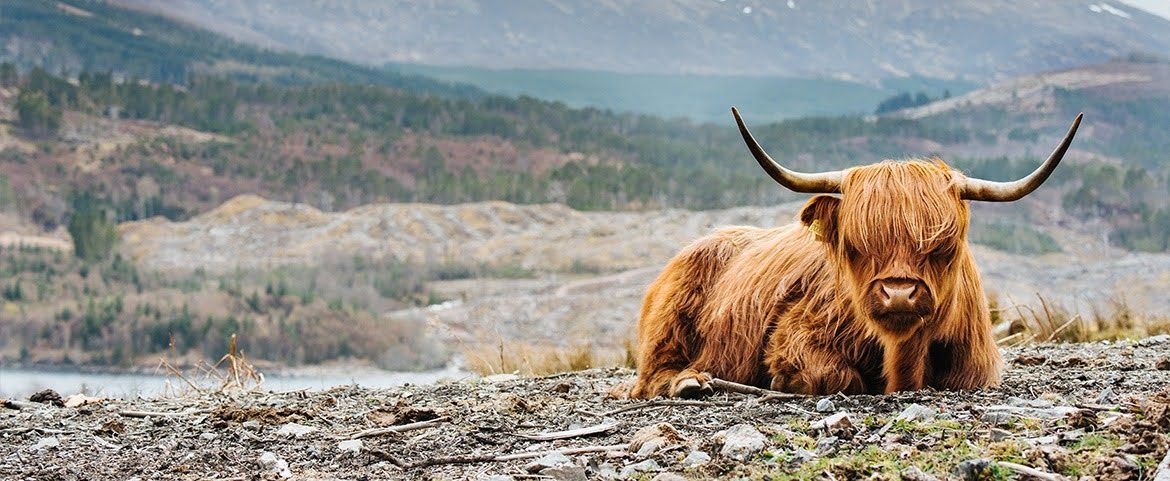
Often referred to as the “Roof of the World“, this immense highland stretches across some of Asia’s most dramatic landscapes. Ancient monasteries cling to mountainsides, rivers cut through deep gorges, and distant horizons seem to extend beyond imagination.
Yet before travellers encounter Tibet’s sacred cities and soaring Himalayan vistas, an important transition takes place.
The body must adapt to altitude.
Understanding Nyingchi’s altitude and how acclimatisation works is one of the most important aspects of planning a successful journey to Tibet. Unlike many destinations where travellers can immediately begin exploring at full pace, Tibet rewards patience. The journey unfolds gradually, allowing both body and mind to adjust to a world that exists thousands of metres above sea level.
Against this backdrop, Nyingchi emerges as the ideal introduction to Tibet.
Located in southeastern Tibet, Nyingchi serves as a natural gateway to the plateau. Its comparatively lower elevation allows travellers to begin their adaptation gently while immersing themselves in some of Tibet’s most beautiful landscapes.
Rather than rushing into the heights, Nyingchi invites travellers to arrive slowly, settle into the rhythm of the mountains, and prepare for the extraordinary experiences that lie ahead.
To appreciate why Nyingchi plays such an important role, it helps to understand its geographical position.
The average elevation in Nyingchi is approximately 3,000 metres above sea level. While this is still considerably higher than most cities worldwide, it is notably lower than many destinations commonly included in Tibet itineraries.
Lhasa sits at approximately 3,650 metres.
Shigatse rises to roughly 3,850 metres.
Many remote regions of western Tibet and the Himalayan frontier exceed 4,500 metres, with some areas reaching considerably higher.
At first glance, these differences may seem relatively small.
In reality, a few hundred metres is enough to significantly influence how travellers feel.
As elevation increases, atmospheric pressure decreases. While the percentage of oxygen remains unchanged, each breath delivers less oxygen than it would at sea level. The body must therefore work harder to supply the oxygen muscles, organs, and tissues require.
This is why beginning a journey at a lower altitude in Nyingchi is a good start.
Travellers are introduced to altitude as they gradually ascend into the plateau’s higher reaches. The transition feels more natural, allowing the body valuable time to begin adapting before reaching destinations where oxygen levels become noticeably lower.
Equally important is the environment itself.
Unlike the stark, windswept landscapes many associate with Tibet, Nyingchi offers a more forgiving character. Snow-fed rivers weave through broad valleys. Forested slopes blanket the
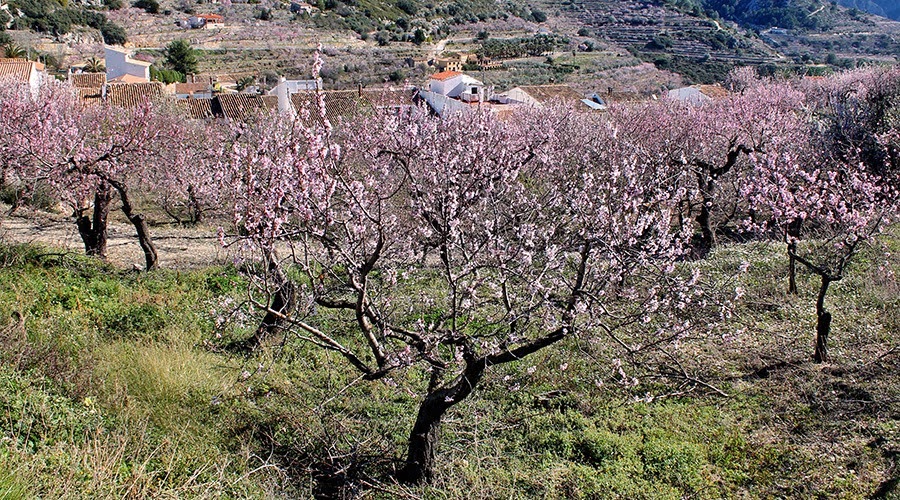
mountainsides. During spring, entire hillsides are transformed by blossoms that seem to float like clouds beneath distant peaks.
The result is a landscape that feels unexpectedly welcoming, offering a softer introduction to one of the world’s most dramatic regions.
When discussing travel at high altitudes, it is natural for travellers to wonder about altitude sickness.
The term Nyingchi altitude sickness generally refers to mild symptoms that can occur as the body begins to adapt to higher elevations.
Common symptoms may include:
For many travellers, these symptoms remain mild and temporary.
Fortunately, Nyingchi’s altitude compared to central Tibet often makes it a more comfortable starting point than arriving directly in higher-altitude destinations.
This does not entirely eliminate the possibility of symptoms, but it may reduce the intensity of the adjustment process.
Importantly, do note that physical fitness alone does not guarantee immunity from altitude sickness.
Even elite athletes can experience altitude symptoms, while less active travellers may acclimatise quickly.
The body’s response is highly individual.
Rather than focusing on avoiding every symptom, experienced travellers approach the journey with realistic expectations. Understanding that some mild adjustment is normal often helps remove unnecessary anxiety and allows travellers to focus on enjoying the experience itself.
For travellers who have previously experienced altitude sickness or related health issues, it is advisable to consult a medical professional before making travel plans. Alternatively, you can reach out to travel specialists from Intriq Journey for guidance.
Many first-time visitors see acclimatisation as an obstacle between them and Tibet’s highlights.
In reality, it often becomes one of the most memorable parts of the journey.
Tibet encourages a different pace of travel.
The mountains demand patience, while the landscapes invite observation.
A traveller wandering through a riverside village in Nyingchi, pausing beside flowering orchards or watching morning mist drift through a valley, may discover that slowing down is not a compromise but a privilege.
This shift in perspective transforms the acclimatisation process into a meaningful travel experience.
The days spent adjusting to altitude often become days spent noticing details that might otherwise be missed.
The scent of pine forests after rain, or the changing colours of distant mountains throughout the day.
The quiet rituals of local communities who have lived in harmony with these landscapes for generations.
In this sense, the process of adapting physically mirrors a deeper transition.
Travellers are not simply adjusting to elevation.
They are adjusting to Tibet itself.
While acclimatisation is a natural process, several simple practices can help support a smoother experience.
One of the most effective strategies is also the simplest.
Slow down.
The temptation to immediately explore every attraction can be strong, particularly in a destination as remarkable as Tibet. However, allowing the first days to unfold at a gentler pace gives the body valuable time to adjust.
A leisurely walk often provides a richer experience than an ambitious itinerary.
Altitude environments tend to be drier than many travellers expect.
Combined with increased respiration, this can contribute to dehydration.
Regular water intake supports circulation and helps maintain overall comfort during acclimatisation.
The first few days are not the ideal time for strenuous hikes or demanding physical activities.
Light sightseeing and gentle exploration are usually sufficient while the body adjusts.
Simple, balanced meals are often easier to digest during the acclimatisation period.
Many travellers find that lighter dining supports overall comfort while adapting to altitude.
Perhaps the most important advice is to remain attentive to how you feel.
Altitude affects everyone differently. Resting when needed and allowing flexibility within the itinerary often contributes significantly to a more enjoyable journey.
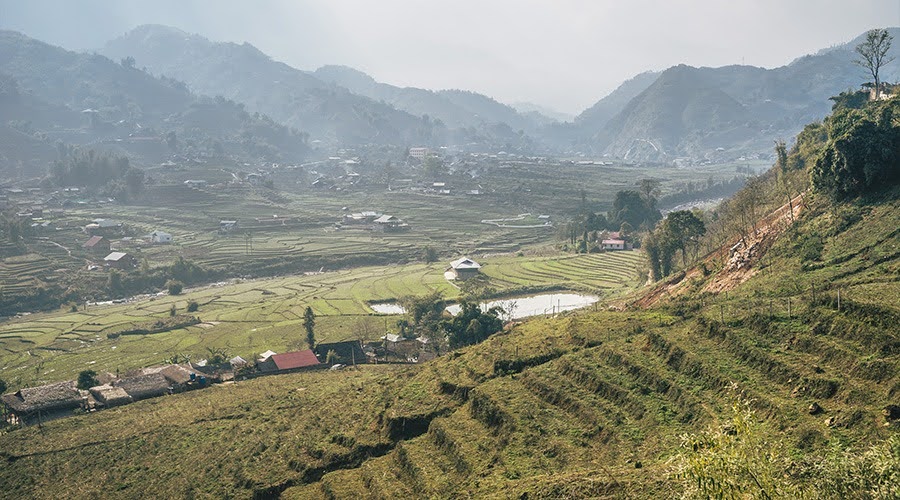
There is a reason Nyingchi is frequently described as one of Tibet’s most beautiful regions.
Often called the “Switzerland of Tibet”, the area possesses a character distinct from the austere grandeur found elsewhere on the plateau.
Here, forests soften the mountains.
Glacial rivers carve elegant paths through fertile valleys.
Wildflowers emerge across alpine meadows.
In spring, peach blossoms paint entire hillsides in delicate shades of pink, creating scenes that feel almost dreamlike against the backdrop of snow-covered peaks.
The mighty Yarlung Tsangpo River winds through the region, reflecting shifting skies and distant mountains. Ancient monasteries overlook valleys where traditional Tibetan culture continues to flourish.
For travellers arriving from bustling global cities, the contrast can feel profound.
The landscape encourages stillness.
The scale inspires humility.
The atmosphere carries a sense of timelessness that is increasingly rare in modern travel.
These experiences transform the acclimatisation period into something far richer than a waiting phase. They become an essential chapter of the journey itself.
Altitude management is one of the clearest examples of how luxury travel extends beyond comfort.
True luxury often lies in thoughtful planning.
A carefully crafted itinerary considers not only where travellers want to go, but how they arrive there.
Experienced specialists understand that the most rewarding journeys to Tibet follow the natural rhythm of acclimatisation. Destinations are sequenced deliberately. Travel days are balanced with periods of rest and exploration. Accommodations are selected not simply for comfort but for their ability to support the overall experience.
This level of planning allows travellers to focus fully on the landscapes, culture, and encounters that make Tibet extraordinary.
For discerning travellers seeking deeper exploration across Asia, a trusted tour agency in Singapore, such as Intriq Journey, can provide invaluable guidance in navigating the unique logistics of travelling in Tibet.
The same philosophy often extends across other remarkable overland journeys, including carefully curated luxury Silk Road tours, where geography, culture, and history unfold gradually across vast distances.
Luxury travel in Tibet is distinguished less by extravagance and more by thoughtful journey design. Rather than focusing on covering as many destinations as possible, luxury itineraries are typically paced around comfort, acclimatisation, and meaningful exploration. This is particularly important in Tibet, where altitude and travel distances can significantly influence the overall experience.
Another key difference lies in the level of personalisation and support. Private guides, dedicated vehicles, carefully selected accommodations, and flexible daily schedules allow travellers to explore at a pace that suits their interests and energy levels. This creates a more seamless experience, especially when travelling through remote regions of the plateau.
Luxury journeys also place greater emphasis on cultural depth and exclusive access. Beyond visiting Tibet’s most famous landmarks, travellers may enjoy more immersive encounters with local communities, heritage sites, and spiritual traditions. The result is a journey that balances comfort with a deeper appreciation of Tibet’s landscapes, history, and living culture.
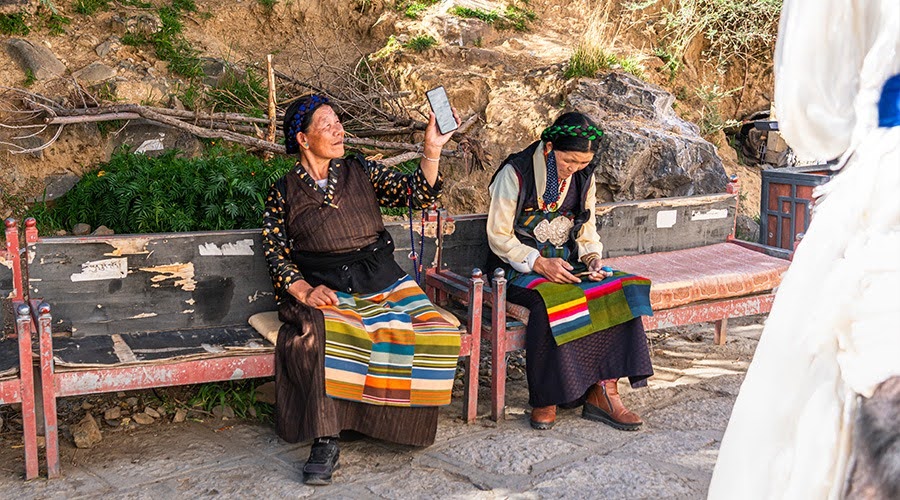
At Intriq Journey, we believe that experiencing Tibet is about more than reaching its most iconic destinations. The journey into the plateau is an essential part of the experience itself, shaping how travellers connect with its landscapes, culture, and sense of place.
This is why our carefully curated itineraries are designed around thoughtful pacing and gradual acclimatisation. Understanding Nyingchi altitude, recognising the importance of allowing time for adjustment, and beginning in lower-elevation regions such as Nyingchi can contribute to a more rewarding journey.
Rather than rushing towards the highest points of the plateau, travellers are able to immerse themselves more fully in the scenery, heritage, and atmosphere that make Tibet so remarkable.
By combining expert planning, carefully selected accommodations, and personalised experiences, we create opportunities to explore Tibet’s natural grandeur, cultural richness, and spiritual heritage in a way that feels both seamless and deeply meaningful.
If you are considering a journey to the Roof of the World, contact us to begin planning a bespoke Tibet itinerary tailored to your interests, travel style, and aspirations.