For travellers arriving from Singapore, Mongolia can feel almost unimaginable.
One is a city-state defined by vertical skylines, carefully planned infrastructure, and constant movement. The other unfolds horizontally, stretching towards horizons so distant they seem to dissolve into the sky itself. Roads become tracks. Boundaries disappear. Silence becomes part of the landscape.
It is within these immense grasslands that one of the world’s oldest and most enduring relationships between people and animals continues to thrive.
To experience Mongolia on horseback is to encounter the country in its most natural state. Long before paved roads and modern transport, horses connected communities, sustained livelihoods, and helped shape the course of history.
Today, they remain woven into the fabric of everyday life, carrying herders across vast distances and serving as living symbols of freedom, resilience, and identity.
For travellers seeking adventures beyond conventional sightseeing, riding alongside local horsemen offers an opportunity to experience Mongolia not as an observer, but as a participant in a tradition that has endured for centuries.
Few countries are as inseparable from horses as Mongolia.
Across the centuries, horses have influenced how people travelled, communicated, hunted, traded, and survived. Entire generations were raised in the saddle, learning to ride almost as soon as they could walk.
This profound connection is often viewed as the foundation of Mongolian nomadic horse culture, which continues to define the nation’s identity today.
The relationship extends far beyond practicality.
For many Mongolians, horses represent freedom across open landscapes. They symbolise independence, mobility, and harmony with the natural world. Stories, songs, poetry, and legends frequently place horses at the centre of the narrative, reflecting their significance not merely as animals but as companions through life’s journey.
The influence of horses can be felt everywhere across the countryside. They graze freely across endless grasslands, gather near family gers, and accompany herders as they move livestock between seasonal pastures.
Even in the modern era, the horse remains one of Mongolia’s most enduring cultural symbols.
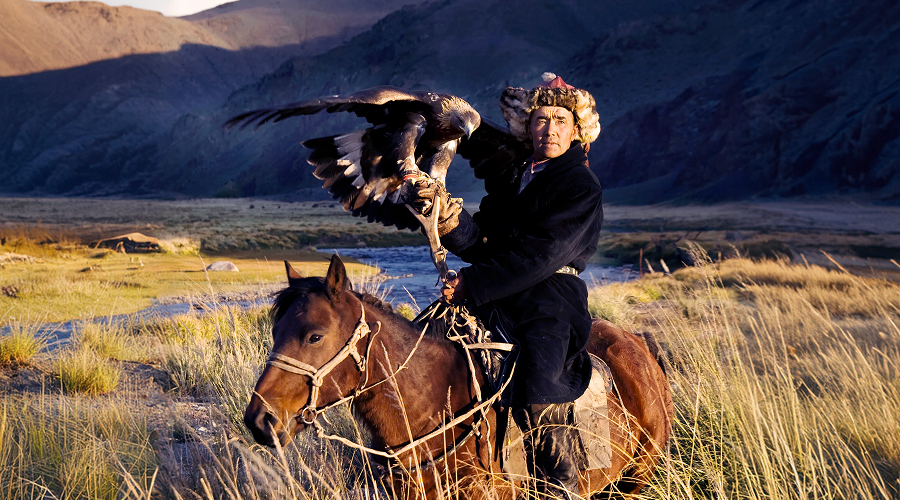
Any discussion of Mongolia’s horse culture inevitably leads back to one of history’s most influential figures: Genghis Khan.
The rise of the Mongol Empire was made possible not only by military strategy but also by the extraordinary capabilities of Mongolian horsemen and their horses.
Unlike larger breeds found elsewhere, Mongolian horses possessed exceptional endurance. Riders could travel remarkable distances each day, often changing mounts multiple times during long journeys. This mobility enabled communication networks and military campaigns that transformed the course of world history.
Yet the true legacy of these horsemen extends beyond conquest.
Their knowledge of terrain, weather patterns, animal behaviour, and seasonal migration laid the foundations for a way of life that continues across Mongolia’s countryside today. Modern nomadic families still rely on many of the same horsemanship skills passed down through generations.
Travellers who explore Mongolia on horseback often discover that this historical legacy feels surprisingly alive. It is not preserved behind museum glass. It remains visible across the steppe every day.
At first glance, the Mongolian horse may appear modest compared to larger European breeds.
It is typically shorter, stockier, and more rugged in appearance. Yet these characteristics are precisely what make it perfectly suited to Mongolia’s demanding environment.
The country experiences some of the world’s most dramatic seasonal contrasts. Summer temperatures can be intensely warm, while winter conditions may plunge far below freezing. Strong winds sweep across exposed grasslands, and food sources can become scarce during harsh seasons.
Over thousands of years, the Mongolian horse evolved to thrive within these conditions.
Its strengths include:
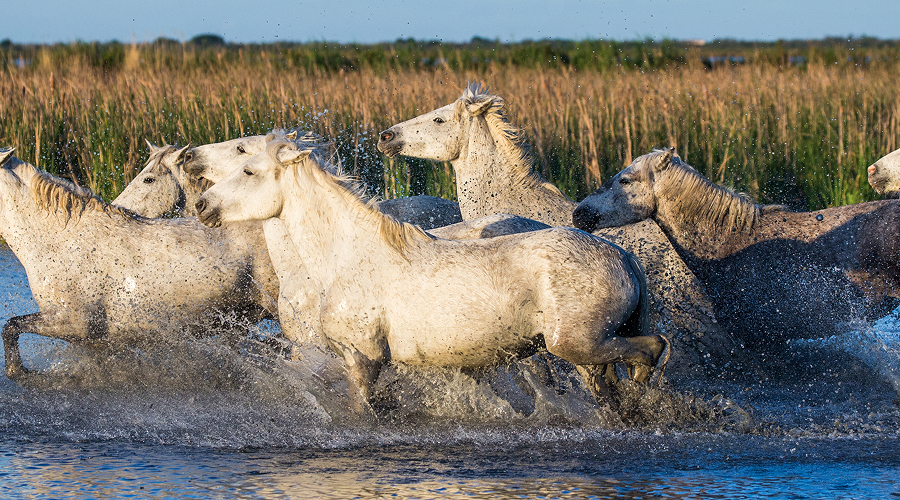
Unlike horses in many other countries, Mongolian horses often spend the entire year outdoors. They roam freely, developing instincts and stamina that allow them to survive with minimal intervention.
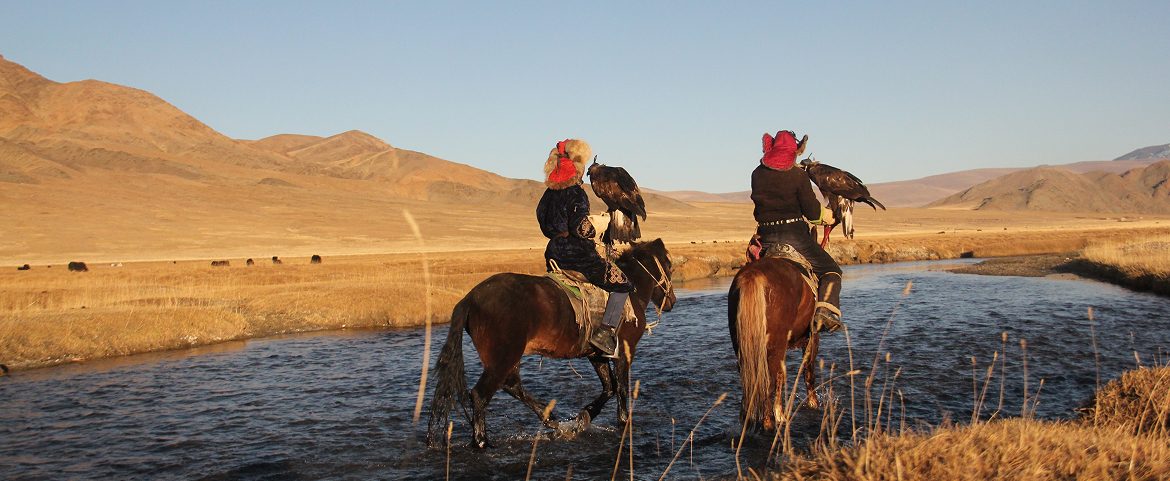
For travellers embarking on horseback riding across the Mongolian steppe, these qualities become immediately apparent. The horses move confidently across rivers, hills, valleys, and open grasslands with a calm reliability that reflects centuries of adaptation.
There is a unique sensation that emerges after several hours of riding through Mongolia.
The usual markers of modern travel begin to disappear.
There are no traffic lights, no crowds, and often no visible roads. The landscape unfolds in every direction without interruption. Distances are measured less by kilometres and more by natural landmarks, weather patterns, and the rhythm of the horse beneath you.
Many travellers who typically gravitate towards curated luxury tours find that Mongolia offers a different kind of exclusivity. Here, the luxury lies not in excess, but in access to vast open spaces, meaningful cultural encounters, and landscapes that remain largely untouched by mass tourism.
This is where horseback riding across the Mongolian steppe becomes something more than an activity.
It becomes a different way of experiencing time.
Travellers often spend entire days traversing rolling grasslands, crossing mountain passes, and following routes known primarily to local guides. The pace naturally slows. Attention shifts towards the subtle details of the landscape: shifting clouds, distant herds, wildflowers emerging across valleys, and the changing colours of the horizon.
Unlike conventional itineraries where destinations dominate the journey, horseback travel in Mongolia often reveals that the journey itself is the destination.
One of the most rewarding aspects of travelling in Mongolia on horseback is the opportunity to learn directly from local horsemen.
These riders possess generations of knowledge that cannot be found in guidebooks.
Their understanding of the land extends far beyond navigation. They read weather changes from distant cloud formations. They recognise grazing patterns. They understand seasonal migrations and know where herds are likely to be found across immense stretches of countryside.
Travellers frequently observe how horsemen communicate with their horses using subtle movements and quiet cues rather than force.
There is a mutual familiarity that reflects years of partnership.
Conversations during these journeys often reveal fascinating insights into nomadic life, family traditions, seasonal movements, and the challenges of maintaining traditional lifestyles in a rapidly changing world.
For many visitors, these interactions become the most memorable aspect of the journey.
Away from popular tourist routes, travellers may also encounter the daily realities of traditional Mongolian horse herding.
This remains an essential part of life for many nomadic families.
Horse herding involves far more than simply managing animals. It requires a deep understanding of grazing conditions, weather systems, breeding practices, and seasonal migration patterns.
At certain times of the year, herders gather horses across enormous areas of open land. Watching skilled riders guide dozens or even hundreds of animals across the steppe offers a powerful glimpse into a way of life that has remained remarkably consistent across generations.
These moments often provide travellers with a greater appreciation for the complexity of nomadic culture.
What appears effortless is actually the result of lifelong expertise.
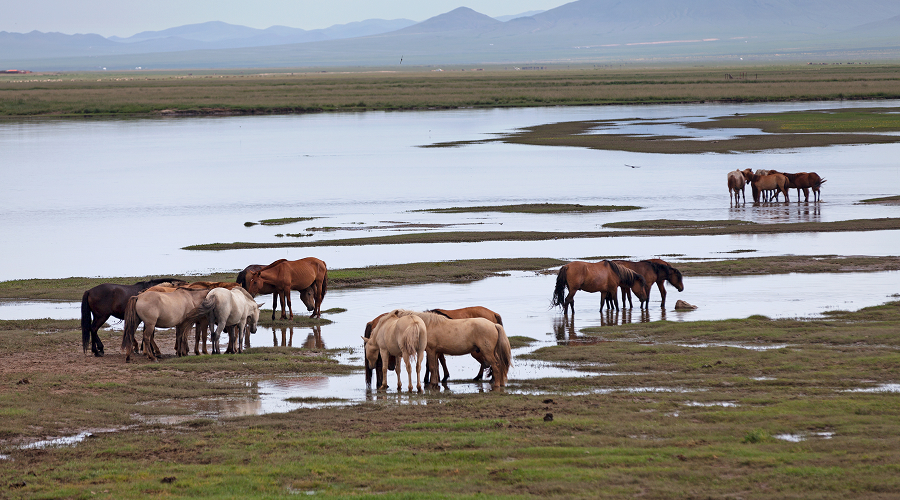
Horse culture in Mongolia extends far beyond transportation.
Its influence can be found throughout music, spirituality, folklore, and artistic expression.
One of the most recognisable cultural symbols is the Morin Khuur, commonly known as the horsehead fiddle. Its carved horse-shaped head reflects the animal’s enduring importance within Mongolian identity.
Traditional songs frequently celebrate horses as loyal companions. Folktales depict legendary steeds capable of guiding heroes through difficult journeys. Spiritual traditions often associate horses with freedom, strength, and the connection between humans and nature.
These cultural expressions reveal that horses occupy a place in the Mongolian imagination that extends far beyond practical utility.
No exploration of horse culture would be complete without mentioning Naadam Festival.
Often referred to as Mongolia’s national festival, Naadam celebrates three traditional disciplines: wrestling, archery, and horse racing.
The horse races themselves are unlike anything most travellers have encountered elsewhere.
Rather than circling stadium tracks, riders compete across open landscapes, covering distances ranging from 15 to 30 kilometres depending on age category.
Perhaps most remarkably, many competitors are children who begin riding from a very young age.
The races showcase not only athletic skill but also the deep cultural relationship between Mongolians and their horses. Entire communities gather to celebrate, transforming the event into a vibrant expression of national identity.
For travellers fortunate enough to witness Naadam, it offers an unforgettable glimpse into the living traditions that continue to shape modern Mongolia.
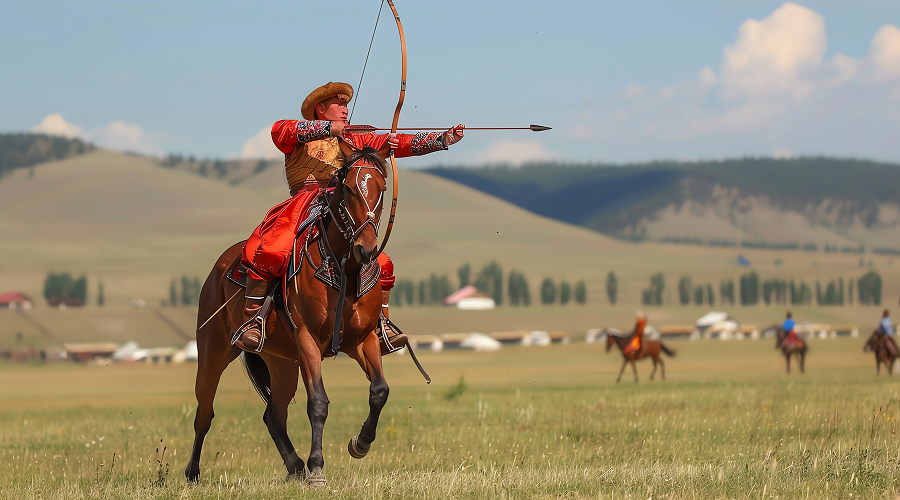
Some travellers assume that authentic cultural experiences and luxury travel exist at opposite ends of the spectrum.
Mongolia proves otherwise.
The country’s vast geography often requires careful planning, logistical expertise, and local connections to comfortably access remote regions. This is where thoughtfully designed luxury tours in Mongolia create meaningful value.
A well-curated journey allows travellers to spend less time navigating operational challenges and more time engaging deeply with the destination itself.
Private guides, exclusive cultural access, carefully selected camps, premium accommodations, and personalised itineraries create opportunities to experience Mongolia’s horse culture in ways that feel both immersive and comfortable.
Rather than removing travellers from the experience, luxury often enables greater access to it.
The true magic of Mongolia lies not simply in riding across beautiful landscapes, but in understanding the people, traditions, and stories that continue to shape those landscapes today.
From learning about Mongolian nomadic horse culture to witnessing traditional Mongolian horse herding and sharing time with local horsemen, these experiences reveal a side of Mongolia that many travellers never encounter.
Intriq Journey specialises in designing bespoke journeys that combine cultural authenticity with elevated comfort. Through carefully curated itineraries, travellers gain access to extraordinary experiences that go beyond conventional sightseeing.
Whether you dream of riding across vast grasslands, staying in remote luxury camps, meeting nomadic families, or exploring the country’s rich equestrian heritage, every itinerary is thoughtfully crafted to foster meaningful connections with one of the world’s last great wildernesses.
Contact us to begin planning your personalised Mongolian adventure and discover why some of the most memorable journeys are still experienced from the saddle.